
Here’s what you need to know this morning
AI could replace nearly 12% of workers, study shows
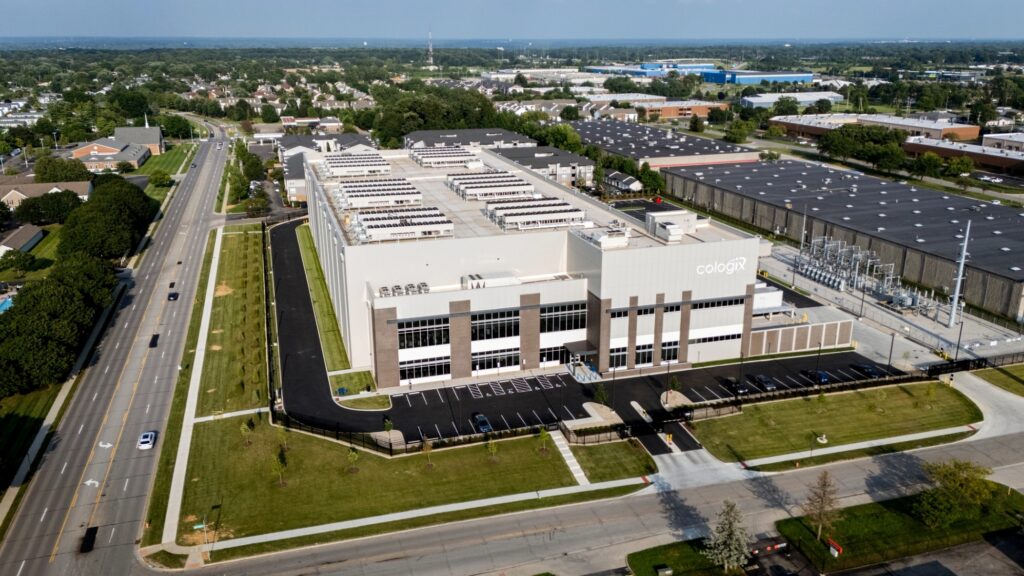
A new Massachusetts Institute of Technology study finds that the rapid expansion of artificial intelligence—which has accelerated data center growth nationwide—has the potential to replace 11.7% of the U.S. workforce.
MIT estimates this shift could erase $1.2 trillion in wages, hitting sectors such as healthcare, financial services and business support functions that are already integrating AI. The findings are based on an analysis of more than 150 million American workers, using the school’s new “Iceberg Index” tool created with Oak Ridge National Laboratory.
“When AI automates quality checks in auto manufacturing, the ripple effects extend to logistics networks, supply chains, and local service industries,” the report noted.
Researchers said every U.S. state could feel the impact, prompting lawmakers to prepare through investments in training and education. Some may follow Tennessee’s approach—state leaders there recently released an AI workforce strategy tied to existing initiatives promoting data center and tech-sector growth.
Affordability pressures push more young adults to stay with parents
Growing housing costs have kept a rising share of young adults living in their parents’ homes, which could influence future demand for both rental and for-sale housing, according to the National Association of Home Builders.
Census Bureau data shows that 32.5% of Americans aged 18–34 lived with their parents in 2024, up from 31.8% in 2023. The figure remains below the 2017 high of 34.5%. States where renters spend 30% or more of their income on housing tend to have the highest percentages of young adults staying at home.
California’s share sits at 39%, while several Northeast and Southern states also top the list: New Jersey (44%), Connecticut (41%) and Maryland (38%). By contrast, North Dakota (12%) and South Dakota (18%) have the lowest rates.
“The high shares of young adults living with parents in expensive coastal markets and fast-growing Southern metros highlight the strong influence of housing affordability,” NAHB analyst Natalia Siniavskaia said. “Data clearly shows that unaffordable rents are closely tied to more young adults living with family.”
Companies may reduce pace of equipment investment
Recent federal data shows businesses are continuing to invest in equipment despite economic headwinds, though the rate of spending could slow, according to Oxford Economics.
Commerce Department figures indicate that orders for durable goods—items expected to last three or more years—rose for the second consecutive month, reaching $313.7 billion in September, a 0.5% increase. Transportation equipment drove much of the gain, rising to $110.7 billion, up 0.4% month over month.
Oxford Economics Lead Economist Bernard Yaros said equipment spending should keep expanding in upcoming quarters, but growth is likely to moderate as companies complete major investments tied to AI technologies, which are currently fueling much of their capital spending.
The firm estimates that overall business equipment spending slowed from 8.5% annual growth in Q2 to 3.1% in Q3. “By 2026, we expect equipment spending to broaden beyond AI-related sectors as tax cuts, lower interest rates and improved clarity encourage businesses to invest across a wider range of categories,” Yaros said.
Source: Original reporting by Lou Hirsh, CoStar News.