
What you need to know to start your day
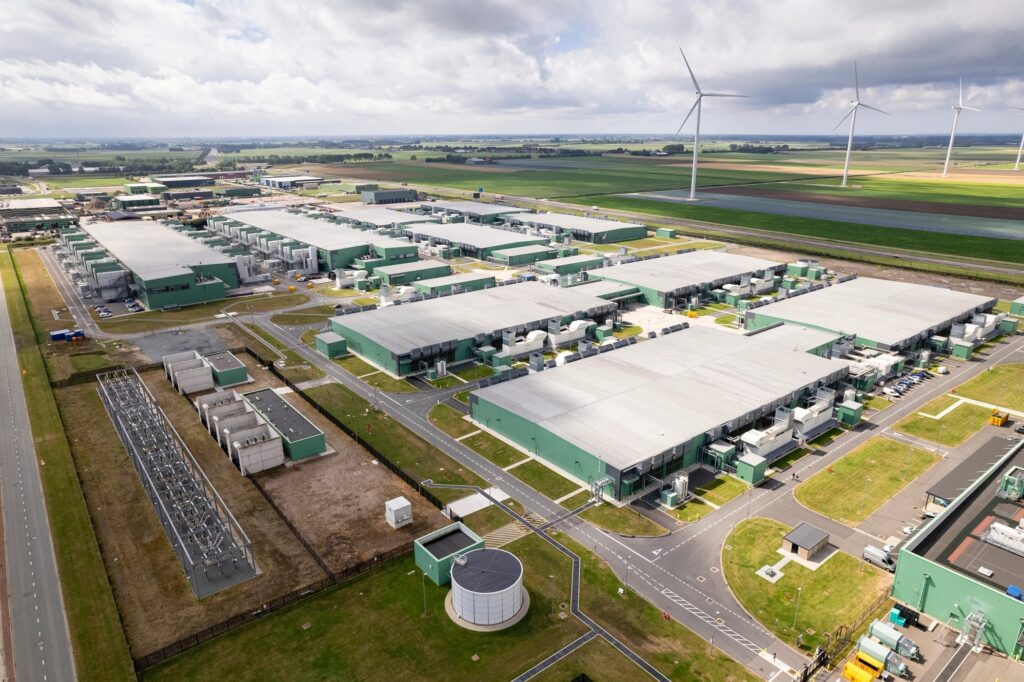
Data Centers Face Growing Development Challenges
Global investment in data centers reached a record $580 billion in 2025, surpassing spending on oil for the first time. According to a report by Colliers, expansion plans could push total investment to $3 trillion by 2030.
Colliers described this surge as the “largest infrastructure supercycle in modern history.” However, the rapid growth of artificial intelligence and other data-intensive technologies is expected to create new challenges for developers.
One of the biggest obstacles is securing sufficient power and infrastructure. In key markets like Northern Virginia, new grid connections for large-scale data center projects can take up to seven years. Utility providers are also requiring upfront, often nonrefundable deposits ranging from $25 million to $75 million to support these developments.
Power-related infrastructure costs now account for 40% to 50% of total project budgets. While major technology companies contributed $445 billion of total investments in 2025, many projects are facing delays. In the U.S. alone, around $64 billion worth of developments have been postponed or canceled due to power shortages, permitting delays, and supply chain constraints.
Consumer Confidence Declines
Consumer sentiment in the United States fell in March to its lowest level since December, according to a survey by the University of Michigan. The sentiment index dropped to 53.3, compared to 56.6 in February and 57 in March 2025.
The decline reflects growing concerns about household finances and the broader economy. Joanne Hsu, director of the university’s consumer survey, noted that confidence fell across all demographic groups.
She highlighted that middle- and higher-income consumers, especially those with stock market exposure, were significantly affected by rising fuel prices and market volatility linked to the ongoing Iran conflict.
Despite the drop, consumers generally do not expect long-term economic damage. However, sentiment could worsen if geopolitical tensions continue or if energy prices push inflation higher. The survey was conducted between February 17 and March 23, with most responses collected after the conflict began on February 28.
Aging Housing Stock Pressures Supply
The aging housing stock in the United States is increasing pressure to expand affordable housing supply, according to the National Association of Home Builders (NAHB).
Data from the U.S. Census Bureau shows that 47% of homes were built before 1980, with 34% constructed before 1970. Between 2020 and 2024, only 3.6 million new owner-occupied homes were added, representing just 4% of the total housing stock.
The median age of homes has risen to 42 years in 2024, compared to 31 years in 2005. State-level data shows significant variation, ranging from a median age of 25 years in Nevada to 64 years in New York.
While older housing may create opportunities for renovation and remodeling services, new construction continues to face major challenges. Rising material costs, labor shortages, and high interest rates remain key barriers for developers and homebuyers alike.
Source: Original reporting by Lou Hirsh, CoStar News.