
Key updates you should know to start your day
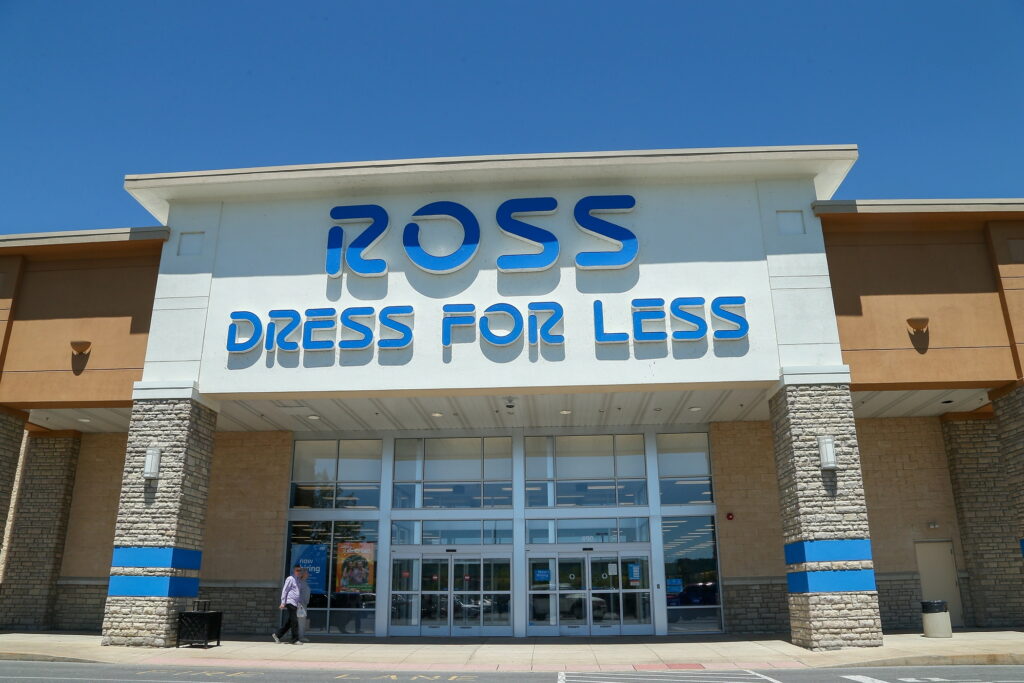
Discount Retailers Continue Strong Growth
Ross Stores recorded impressive first-quarter growth, joining major discount chains like Walmart and Target as shoppers continue looking for affordable options amid rising fuel prices and household costs. The California-based retailer, which operates Ross Dress for Less and dd’s Discounts stores, announced a 21% increase in total sales along with a 17% rise in same-store sales for the quarter ending May 2.
The company’s total revenue surpassed $6 billion, prompting Ross Stores to raise its full-year same-store sales forecast to between 6% and 7%. Last year, the retailer achieved a 5% sales increase. Net income for the first quarter climbed to $650 million, compared to $479 million during the same period last year.
CEO Jim Conroy credited the strong performance to increased customer visits, attractive product selections, improvements in store experiences, and consumer spending tied to tax refunds. During the quarter, the company launched 13 new Ross locations and four dd’s Discounts stores. Ross Stores plans to maintain annual growth of around 5%, with approximately 110 additional stores expected to open in 2026. The retailer also plans to shut down or relocate 10 to 15 older stores.
According to Conroy, sales growth was broad across various product categories, customer groups, and regions. He also noted that while higher gas prices have not historically had a direct impact on off-price retail shopping, prolonged increases could eventually affect consumer behavior.
Conroy added that economic uncertainty may actually benefit discount retailers, as shoppers search for better value while suppliers create more closeout inventory opportunities.
Commercial Construction Projects Increase
Commercial construction projects led growth in April as the value of newly started U.S. nonresidential construction projects climbed 18.6% from the previous month, according to Dodge Construction Network. The total value of new commercial, institutional, and infrastructure projects reached $550 billion, marking a 10% increase compared to the same period last year on a seasonally adjusted annual basis.
The commercial sector posted a significant 41.4% monthly increase. Major gains were reported in data centers and office projects, which rose 46.1%, while parking garages surged 120.4%. Warehouse construction increased 25%, hotel projects grew 12.8%, and retail store construction rose 5%. However, manufacturing construction declined 29.3% after experiencing a sharp increase in March.
Dodge Chief Economist Eric Gaus stated that construction activity remained strong in April, with only a few sectors reporting declines. He highlighted large data center and energy generation projects as major drivers of growth, while several construction categories experienced double- and triple-digit increases.
Including both residential and nonresidential sectors, the total value of U.S. construction projects breaking ground in April reached $1.33 trillion. This represented a 9% increase from the previous month and an 8.1% rise year over year. Meanwhile, newly started residential projects totaled $383 billion, down 0.7% from March and 4.4% lower compared to the previous year.
U.S. Jobless Claims Move Lower
Initial claims for U.S. unemployment benefits totaled 209,000 for the week ending May 16, according to the Labor Department. This marked a decrease of 3,000 claims compared to the previous week’s revised figures.
Despite ongoing economic uncertainty, labor market data shows unemployment claims have remained relatively stable in recent months, generally fluctuating between 200,000 and 250,000 over the past year.
Oxford Economics Senior U.S. Economist Matthew Martin said the consistency in claims levels has been surprising given challenges such as geopolitical tensions, inflation pressures, and tariff uncertainty. He added that while the labor market is not experiencing rapid growth, employers are still hesitant to reduce staffing levels.
Martin also pointed out that unemployment claims remain elevated in Florida, potentially linked to the shutdown of Spirit Airlines operations previously based in the state.
Source: Original reporting by Lou Hirsh, CoStar News.