
Destiny USA financing troubles suggest lenders are moving beyond years of loan extensions and delays
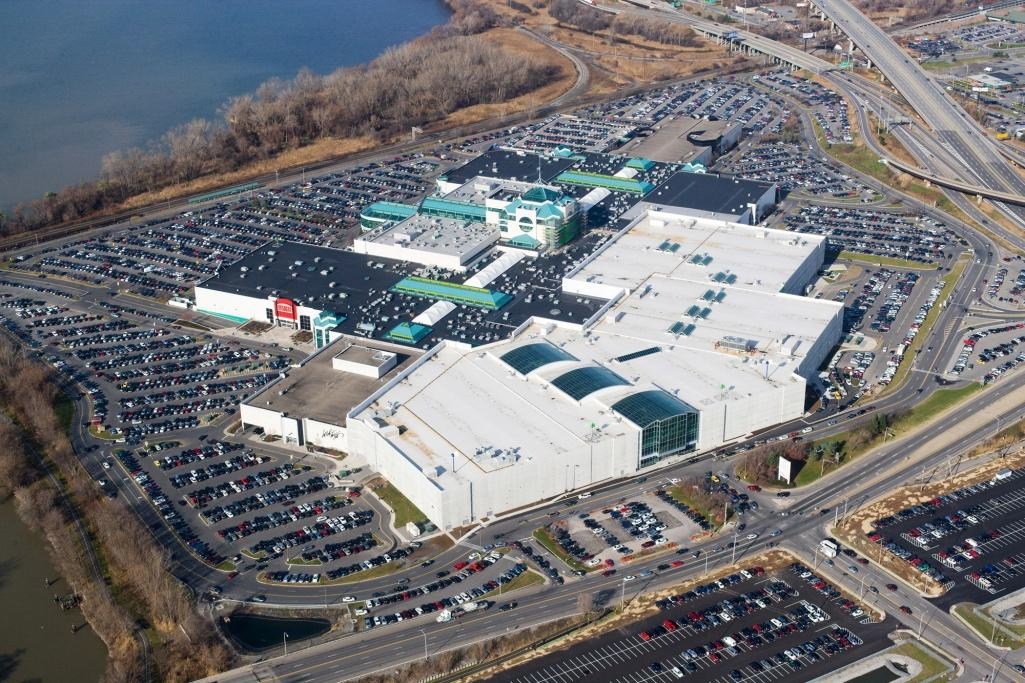
ve become a prominent example of that trend. The mall’s loan originally matured in 2022 but remained unresolved after several extensions and modifications. Efforts between special servicer CW Capital Asset Management and borrower Pyramid Management Group to stabilize the loan ultimately failed after the property did not generate sufficient income and the borrower was unable to make a required $38.9 million principal reduction payment.
With restructuring options becoming increasingly limited, the loan is now being marketed to potential buyers, opening the door for a new investor to acquire the debt at a discount and potentially pursue a different strategy for the asset.
Industry professionals say similar situations are becoming more common across the commercial mortgage-backed securities market.
Ann Hambly, founder of loan resolution advisory firm 1st Service Solutions, noted that many lenders have spent years trying to work through distressed situations. However, changing market conditions are prompting more decisive actions, with note sales emerging as a preferred solution in many cases.
Selling troubled debt can provide lenders with an opportunity to recover a larger portion of their investment while allowing specialized investors to take over assets that may offer long-term upside.
Market analysts have also observed a growing number of loan sales and foreclosure-related transactions across the broader commercial real estate sector, suggesting a gradual move away from prolonged workout strategies.
Borrower Still Active in the Market
Despite the challenges surrounding Destiny USA, Pyramid Management Group continues to demonstrate access to capital and remains active in the retail property sector.
The company recently secured a $193 million CMBS financing package for Crossgates Mall in Albany, New York, and is pursuing the acquisition of Providence Place Mall in Providence, Rhode Island, through a deal valued at approximately $133 million.
Because of Pyramid’s ongoing activity, some industry observers believe the company could still negotiate another restructuring agreement or potentially partner with a future debt buyer familiar with the property.
Neither Pyramid Management Group nor Newmark provided additional comments regarding the loan sale process.
Local Officials Monitor Potential Outcomes
The situation is drawing close attention from local government officials due to the unique ownership structure surrounding Destiny USA.
The Syracuse Industrial Development Agency (SIDA) maintains an ownership interest in the property alongside Pyramid Management Group. Additionally, municipal bonds tied to the project hold repayment priority ahead of the commercial mortgage-backed securities debt.
Local officials have emphasized the importance of ensuring that any future owner or noteholder maintains the property and supports its long-term economic contribution to the region.
SIDA leadership has expressed concern that an unsuitable buyer could negatively impact the mall’s operations, potentially reducing tax revenue and creating challenges for the surrounding community.
At present, the existing ownership and repayment structure remains in place. Property tax revenues continue to be applied toward debt obligations, although local authorities are monitoring whether a loan sale could alter that arrangement.
The mall remains a significant economic driver for the Syracuse area, generating tax revenue and supporting thousands of jobs throughout the region.
Years of Negotiations Reach a Turning Point
According to restructuring experts, the current situation reflects years of negotiations between the borrower and lenders.
Attempts to refinance, restructure, or raise new capital have not produced a long-term solution, leading both parties toward a potential resolution through a debt sale.
Industry professionals suggest that Pyramid’s remaining options may include participating in the bidding process itself or partnering with a future debt purchaser that recognizes the value of the asset and its market position.
Property Performance Shows Signs of Improvement
While the financing remains under pressure, the underlying property has shown encouraging operational improvements.
Originally opened as Carousel Center in 1990, Destiny USA has evolved into one of the largest shopping and entertainment destinations in the United States. Major tenants include Apex Entertainment Center, Burlington, Dick’s Sporting Goods, Hobby Lobby, Ikea, Macy’s, Regal Cinemas, Apple, Lululemon, The Cheesecake Factory, and Pottery Barn.
Its strategic location near Interstates 81 and 690 allows it to serve a trade area of more than five million consumers.
Although annual retail sales remain below pre-pandemic levels, recent figures indicate stabilization. Sales increased during 2025 after declining the previous year, suggesting that the property may have established a foundation for future recovery.
Store productivity has remained relatively resilient, with sales per square foot staying close to historical averages despite broader retail industry challenges.
Occupancy has also improved significantly, rising from just over 72% at the end of 2024 to more than 87% by the close of 2025, reflecting stronger leasing performance.
Even with those operational gains, financial pressures persist. Rating agency Fitch recently maintained a low-grade credit rating on approximately $235 million of municipal bonds connected to the property, citing concerns that a future default remains possible if financial conditions deteriorate further.
Fitch also warned that continued distress at the CMBS loan level could eventually affect municipal bond payments if the mall were to enter receivership or bankruptcy proceedings.
For the Record
Newmark is currently marketing the $430 million Destiny USA loan on behalf of the special servicer, while market participants closely watch the outcome as a potential indicator of how lenders may handle distressed commercial real estate loans moving forward.
Source: Original reporting by Mark Heschmeyer, CoStar News.